Shifting Sands: How Instant Funding Tech Is Reshaping Access to Regulated Digital Table Games and Wagering Markets
Taylor Richter · Sep 8, 2026
Shifting Sands: How Instant Funding Tech Is Reshaping Access to Regulated Digital Table Games and Wagering Markets
Instant funding technologies have accelerated deposit and withdrawal processes across regulated digital gaming platforms, allowing players to move funds in seconds rather than days through open banking APIs and real-time payment rails. Observers note that these systems integrate directly with licensed operators in multiple jurisdictions, reducing friction between account funding and entry into live dealer tables or sports markets. Data from industry reports indicate that transaction speeds now average under 10 seconds in markets where instant transfer protocols have been adopted, compared to the multi-hour delays common just a few years earlier.
Regulated table game environments benefit particularly because players can top up balances mid-session without leaving the game interface. This capability supports continuous play at blackjack, roulette, and poker tables hosted by licensed providers. Researchers at academic institutions tracking payment adoption have documented higher session continuity rates when instant options replace older card or e-wallet methods that require manual verification steps. Meanwhile, sports wagering platforms use the same rails to let users place live bets during matches without pausing to confirm funding status.
Payment Infrastructure Driving Market Expansion
Financial technology firms have partnered with gaming operators to embed instant settlement layers into existing compliance frameworks. These partnerships rely on bank-grade security protocols and regulatory-approved APIs that verify player identity in real time. Figures released by European payment associations show that markets implementing instant funding saw participation in digital table games rise by double-digit percentages between 2023 and 2025, while wagering volumes on regulated sportsbooks grew steadily in parallel. The infrastructure supports both traditional fiat currencies and emerging digital assets cleared through licensed channels, though operators maintain strict segregation between player funds and operational accounts as required by licensing conditions.
One study conducted across several North American jurisdictions revealed that players using instant funding completed an average of 1.8 additional table game rounds per hour compared with those relying on slower methods. Similar patterns appear in Australian and Canadian regulated markets where open banking mandates have encouraged banks to expose APIs for gaming transactions. Those who've examined transaction logs report fewer abandoned carts at deposit screens and lower rates of players switching to unregulated sites simply to avoid waiting periods.
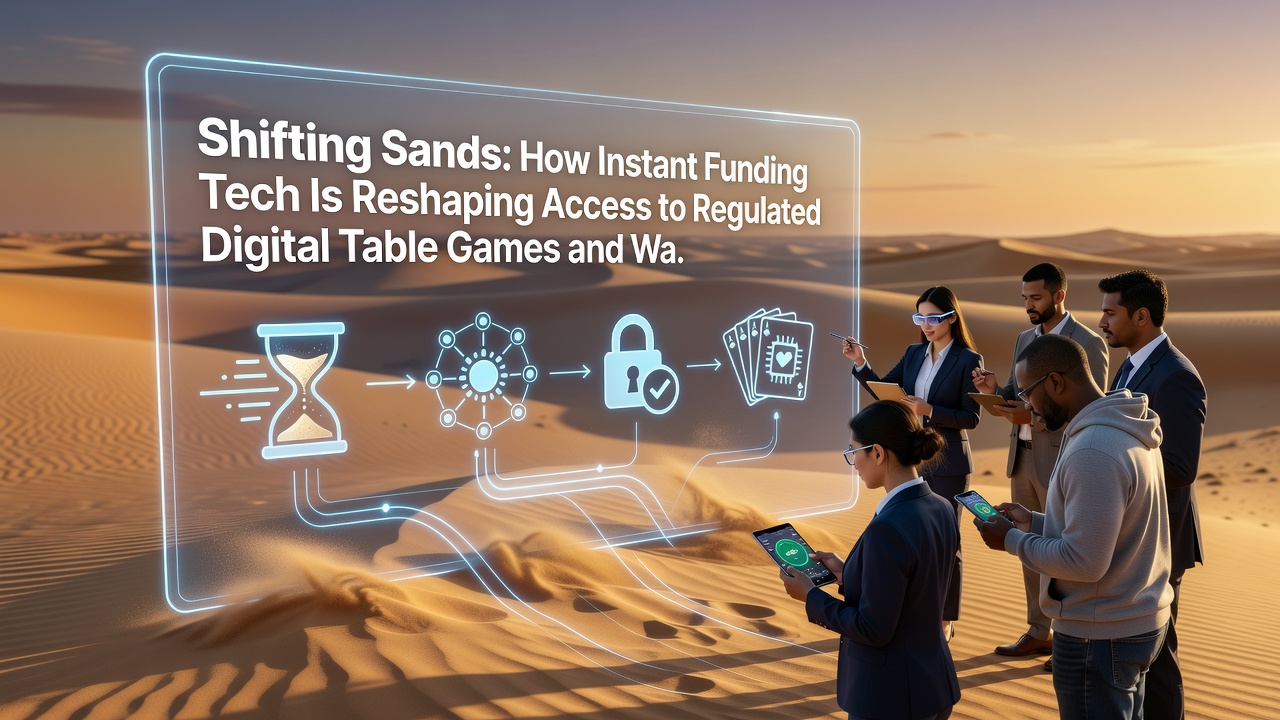
Regulatory Oversight and Compliance Integration
Licensing authorities in various regions have updated technical standards to accommodate faster payment flows while preserving anti-money-laundering controls. The Nevada Gaming Control Board, for example, requires operators to maintain audit trails that capture each instant transaction within seconds of completion. Similar requirements exist under frameworks administered by the Malta Gaming Authority and the Alcohol and Gaming Commission of Ontario, ensuring that speed does not compromise traceability. Compliance teams now deploy automated monitoring tools that flag unusual patterns across both table game and sports betting activity in near real time.
Industry associations such as the European Gaming and Betting Association have published guidance on integrating instant funding without increasing exposure to financial crime risks. These documents emphasize layered verification that combines device fingerprinting, behavioral analytics, and source-of-funds checks triggered automatically when transaction velocity exceeds preset thresholds. Data shared at regulatory conferences in 2025 indicated that operators adopting these layered systems experienced no measurable increase in suspicious activity reports despite higher overall transaction volumes.
Player Experience Across Table Games and Wagering
Live dealer environments have incorporated instant funding prompts directly into the game lobby, allowing users to replenish chips without exiting the streamed table. This design reduces downtime that previously interrupted immersion during high-stakes sessions. Wagering markets have seen parallel changes, with in-play betting interfaces refreshing odds and accepting stakes immediately after an instant deposit clears. Observers tracking user behavior note that mobile sessions now account for the majority of both table game and sports activity in jurisdictions where instant options dominate.
September 2026 is expected to bring further refinements as several operators roll out next-generation APIs that combine instant funding with biometric confirmation. Early pilot programs in licensed markets have already demonstrated sub-second authorization times while maintaining full compliance with responsible gambling tools such as deposit limits and session reminders. Those monitoring adoption rates report that players increasingly expect this level of seamlessness as standard rather than exceptional.
Market Data and Geographic Trends
Global figures compiled by research firms specializing in regulated gaming show that instant funding penetration reached 62 percent of total deposits in monitored jurisdictions by mid-2025. North American and European markets lead adoption, yet Asia-Pacific regulators have begun licensing similar rails for operators serving international players. A report from the University of Nevada, Las Vegas International Gaming Institute links faster funding to expanded access for recreational players who previously cited deposit delays as a barrier to entry.
Cross-border comparisons reveal that jurisdictions with mature instant payment ecosystems also record higher retention among table game enthusiasts and sports bettors alike. The pattern holds across different regulatory models, suggesting the technology itself rather than any single licensing regime drives the shift. Industry analysts continue to track whether these gains translate into sustained revenue growth or merely redistribute existing activity among faster platforms.
Conclusion
Instant funding technologies continue to alter how players interact with regulated digital table games and wagering platforms by compressing the time between intent and action. Regulatory bodies across multiple continents have adapted oversight mechanisms to accommodate these speeds while upholding existing standards for security and player protection. Data collected through 2025 and into projections for 2026 indicate sustained integration of real-time payment rails, with operators and technology providers refining systems to meet both commercial demand and compliance requirements. The landscape remains dynamic as additional jurisdictions evaluate similar infrastructure upgrades.